
Sartano Is Here: A Better Way to Discover Fashion
5 June 2026 · 6 min read
Use Sartano to find and style linen pieces that work across Australian heat, workdays, weekends, and layering seasons.

Linen has a reputation problem. People either love it completely or avoid it because of the creasing — and the ones who avoid it are missing out on the most useful fabric in the Australian wardrobe.
Here's the full picture, how to get the most out of it, and how Sartano can help you find linen pieces that suit your climate and lifestyle rather than just the prettiest product photo.
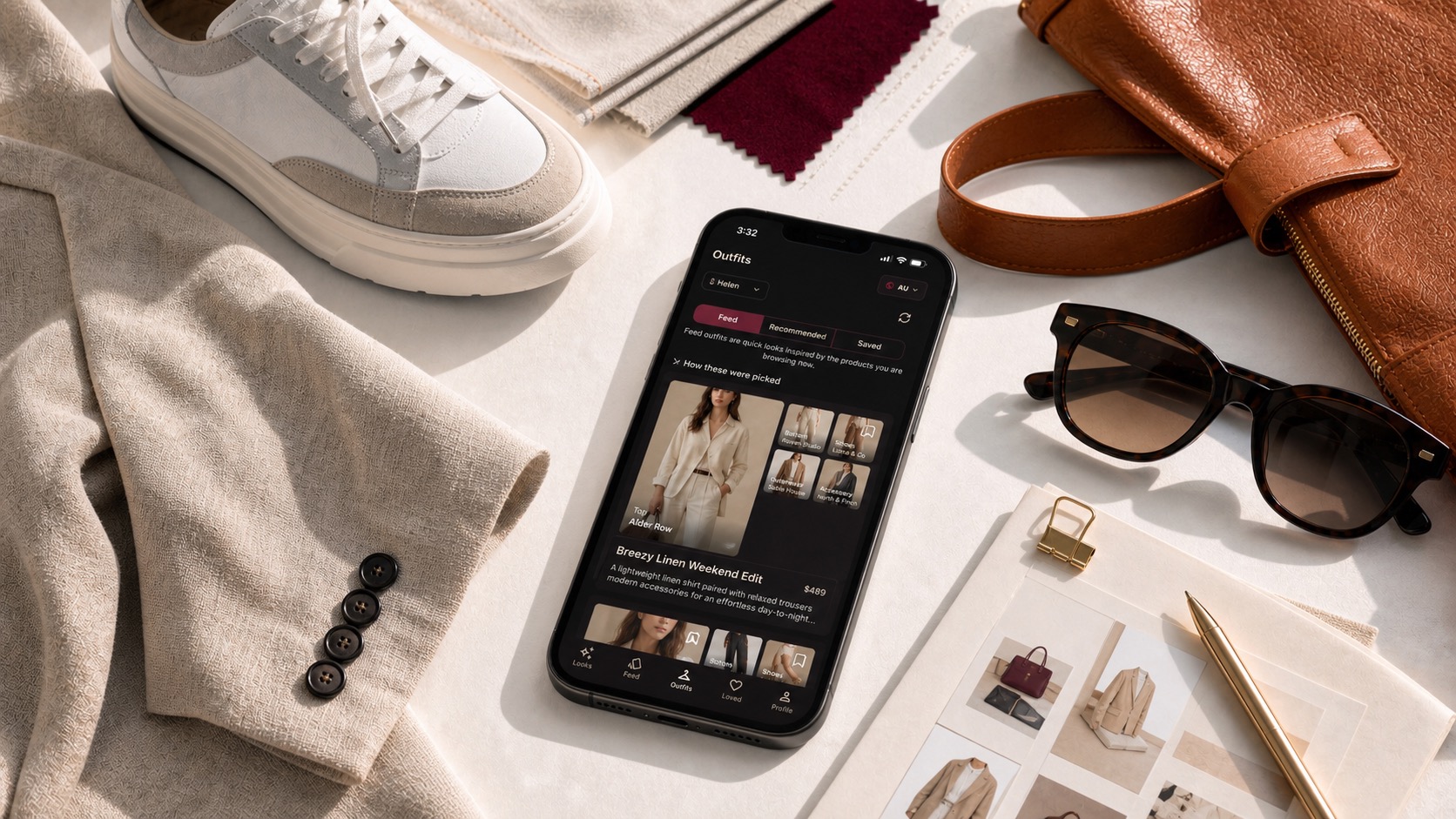
Start with a specific app search: "linen blazer for summer workwear", "cotton linen trousers under $100", "linen shirt for beach and office", or "linen dress for hot weather dinner". Save pieces that work in more than one context, then use the feed to compare fabric blends, colours, and silhouettes.
Most countries can treat linen as a summer-only fabric. In Australia, where summer runs long and the shoulder seasons are mild rather than cold, linen earns its place across a much wider window.
It breathes better than cotton at high temperatures, handles the transition from air-conditioned offices to 32-degree afternoons better than almost anything, and has a texture that reads as polished without being formal. On a 35-degree day in February, a linen blazer over a cotton tank is more comfortable than most blouses — and looks more considered.
The creasing is worth addressing directly: it's real, it's inevitable, and for tailored pieces, you can manage it with a light steaming. For everything else, the relaxed drape of slightly creased linen is part of its look. Lean into it rather than fight it.
In Sartano, that means searching for the kind of linen you will actually tolerate. If creasing bothers you, look for linen-cotton or linen-viscose blends. If breathability matters most, prioritise pure linen and relaxed cuts.
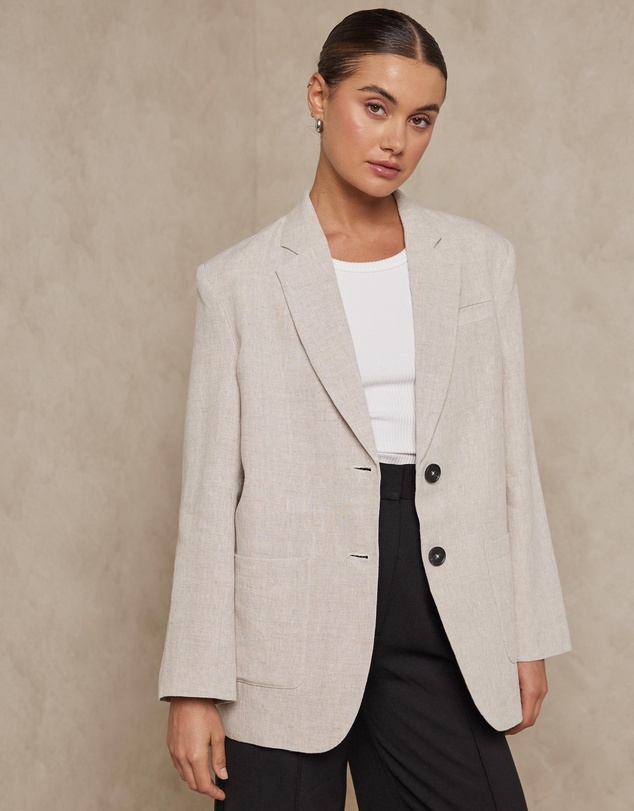
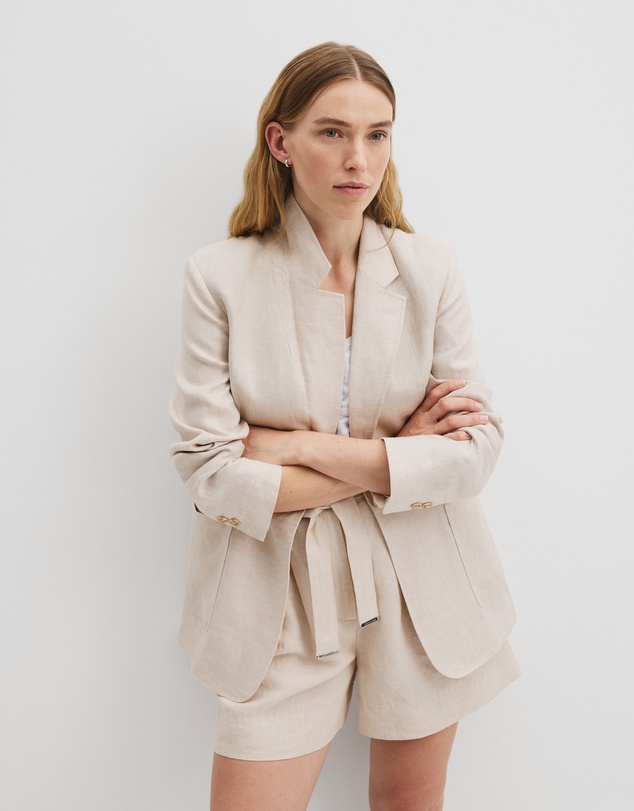
The highest-utility linen piece in the wardrobe. It works over everything — a plain t-shirt and jeans, a midi dress, wide-leg trousers, shorts when the dress code allows it. An unstructured or relaxed-fit blazer in oat, white, or navy is the most versatile version.
The rule with linen blazers: slightly oversized reads as intentional, tight reads as dated.
These two from AERE and Country Road show the brief clearly — relaxed fit, quality linen, and neutrals that pair with everything else in this list:
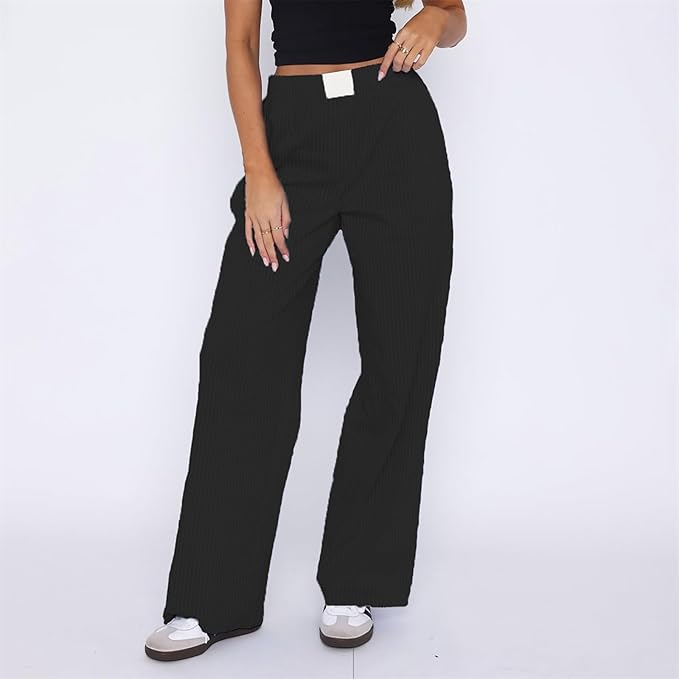
Linen trousers in a wide or straight leg are the easiest way to look put-together in summer without any effort. Wear them with a fitted tank, a tucked-in blouse, or a linen shirt. In a neutral — ivory, sand, black, or navy — they pair with almost everything you already own.
The fit note: linen trousers should sit at the natural waist and have enough room through the thigh to move easily. Slim-cut linen is uncomfortable in real heat and loses the visual appeal of the fabric.
This cotton-linen wide-leg with pockets from Amazon AU is a useful example of what to look for — the blend handles creasing better than pure linen, and the cut is relaxed without being shapeless:
See linen trousers at THE ICONIC →
An oversized linen button-up is one of those pieces that earns its keep across every context. Over swimwear at the beach, tucked into jeans for errands, worn as an overshirt with a blazer for work. In white or chambray blue, it's a genuine daily-use piece.
See linen shirts at Cotton On →
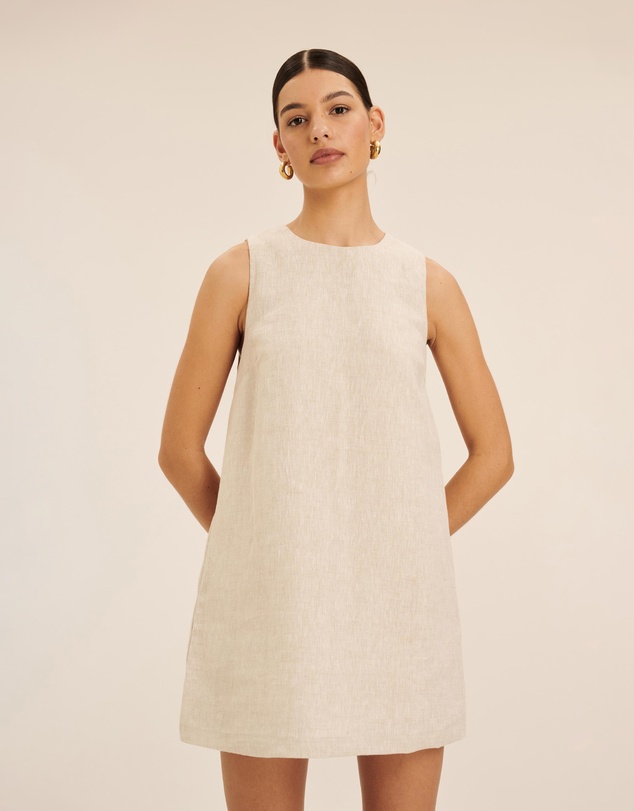
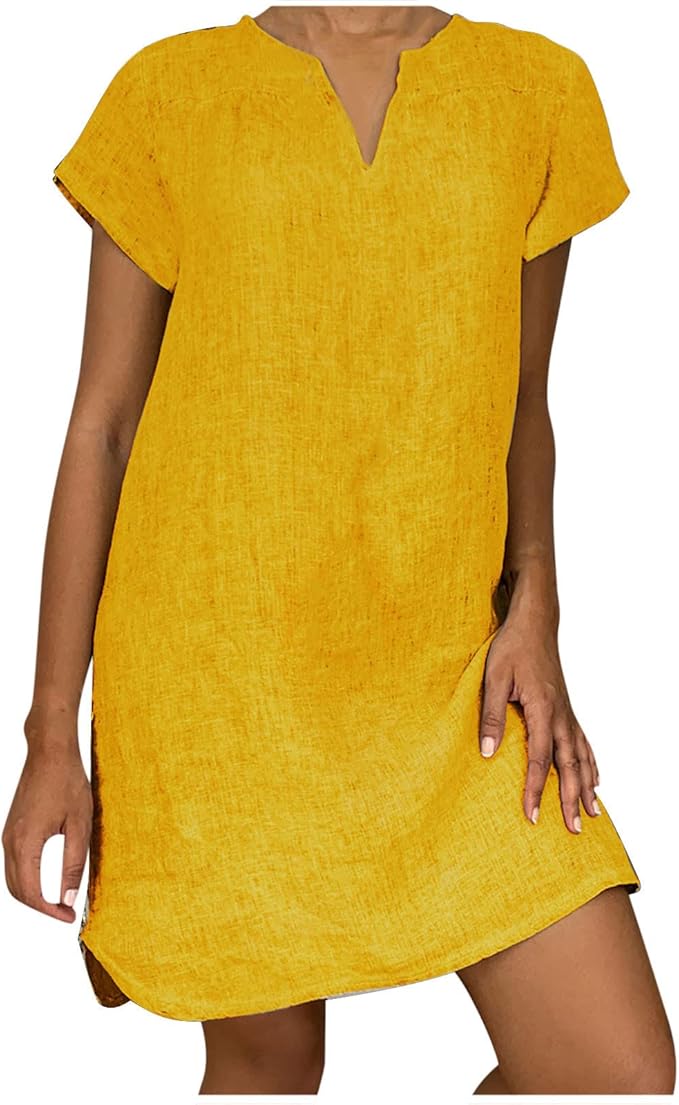
A linen shift or shirt dress is the lowest-effort outfit that still looks deliberate. No layering needed, no accessories required. Wear it with flat slides for the beach path or block-heeled mules for a restaurant dinner. The same dress handles both.
The AERE mini shift and this cotton-linen shift from Amazon AU both illustrate the style well — clean silhouette, versatile length, no detail that dates it:
Australian winters vary significantly by city. In Melbourne and Canberra, linen alone won't cut it in July. In Brisbane and Perth, a linen shirt is still viable in July. Sydney falls somewhere in between.
Layering strategies for cooler weather:
The one piece that stays in rotation regardless of temperature: the linen blazer. Layer it over knitwear in winter and it still looks intentional.
Colour: Linen's texture shows most strongly in lighter tones. Cream, oat, sand, and white all have a softness that synthetic fabrics can't replicate. For year-round use, a dark navy or charcoal linen is just as practical and tends to crease less noticeably.
Washing: Machine wash on a gentle cycle in cold water. Remove promptly and hang or lay flat to dry — this prevents deep-set creases. Don't tumble dry if you want the fabric to last. Steam rather than iron where possible; high-heat ironing damages the fibres over time.
Blends: A linen-cotton or linen-viscose blend wrinkles less than pure linen. If the creasing genuinely bothers you, look for blends — they're more forgiving without sacrificing much breathability.
Use Sartano to build linen around real use cases: one work outfit, one weekend outfit, one warm-weather dinner outfit, and one travel or beach outfit. If a linen piece can appear in two or three of those saved looks, it has earned its place.
More places to look: THE ICONIC – Linen, Country Road – Linen, Myer – Linen, Cotton On – Linen
Some product links may be affiliate links. As an Amazon Associate, Sartano earns from qualifying purchases. Product references are for discovery and style guidance. Prices, images, availability, and retailer details may change; confirm final details with the retailer. Product data requests.
